
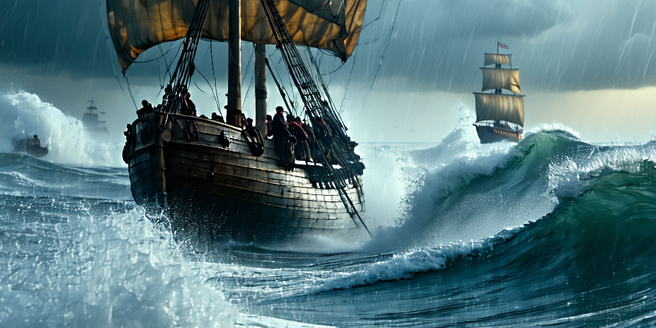
The Role of Weather in Historical Expeditions
Weather has played a crucial role in shaping the outcomes of numerous historical expeditions. From unexpected storms that redirected ships to harsh climates that hindered progress, weather has often been an uncontrollable force. Leaders like Columbus and Magellan had to contend with this unpredictable element, making strategic decisions that sometimes led to victory or disaster. The Antarctic explorations faced severe cold, while those venturing into deserts fought extreme heat. Weather conditions often dictated the pace, safety, and success of these missions, challenging explorers to adapt quickly to survive. Understanding the influence of weather provides insight into the obstacles these adventurers faced and highlights their resilience.
Storms that Changed Course: Columbus and the Atlantic
Christopher Columbus’s voyages across the Atlantic were profoundly affected by severe weather conditions. In particular, several storms threatened to derail his expeditions and alter their courses. On his first voyage, Columbus encountered a fierce tropical storm that significantly shifted his fleet’s trajectory, leading him to discover new lands unexpectedly. These storms not only tested the limits of his navigational skills but also played a pivotal role in the course of exploration in the New World. Columbus’s encounters with tempestuous weather demonstrate how unforeseen natural phenomena can influence historical outcomes and shifts in exploration patterns.
Unexpected Chill: Shackleton’s Antarctic Trials
Ernest Shackleton’s expeditions to Antarctica illustrate the formidable challenges posed by extreme cold weather. His mission, particularly the Endurance expedition, was significantly hampered by icy conditions and treacherous blizzards. The ship became trapped in ice, forcing Shackleton and his crew to survive on the harsh, frozen continent. Their struggle against the relentless cold epitomizes the unpredictable and severe climate of the Antarctic, which demanded extraordinary endurance and resilience. Shackleton’s ability to lead his team through such adversity serves as a testament to human spirit, and underscores the importance of weather preparedness in planning expeditions to such hostile environments.
Living with the Elements: Lewis and Clark’s Rainy Journey
The expedition of Lewis and Clark is renowned for its encounters with diverse weather conditions, particularly the persistent rain that they faced during their journey. As they traversed the vast expanse of the American West, they had to deal with continuous downpours that often led to flooding and treacherous travel conditions. The rain not only impacted their progress but also affected their morale and logistics. Despite these challenges, Lewis and Clark’s perseverance in the face of relentless rain showcases their adaptability and resourcefulness. Their journey is a prime example of how explorers must navigate and withstand the elements as they chart unknown territories.
Heatwaves and Hiccups: Marco Polo’s Desert Challenges
Marco Polo’s travels through the vast deserts of Asia exposed him to the extreme heat and harsh conditions of these arid landscapes. Polo and his companions faced high temperatures, which often led to dehydration and severe exhaustion. The lack of sufficient water resources made their journey even more arduous. Navigating the desert required precise planning and a deep understanding of the environment. The heat presented not only a physical challenge but also impacted their travel schedules and planning. Marco Polo’s ability to overcome these adversities underscores the critical role that environmental challenges play in shaping exploration narratives.
Tropical Storms and the Exploration of the Pacific
The exploration of the Pacific Ocean was fraught with the dangers of tropical storms and typhoons, posing significant threats to navigators and their vessels. These powerful weather systems often caught explorers unaware, forcing them to alter their routes or abandon missions. The unpredictability of tropical storms required seasoned sailors to develop keen observations and quick decision-making abilities. As explorers charted these vast waters, they gained valuable insights into weather patterns and navigational strategies. The role of tropical storms in the Pacific exploration highlights the constant interplay between human endeavors and natural forces, marking an era when understanding and adapting to weather was essential for survival.