
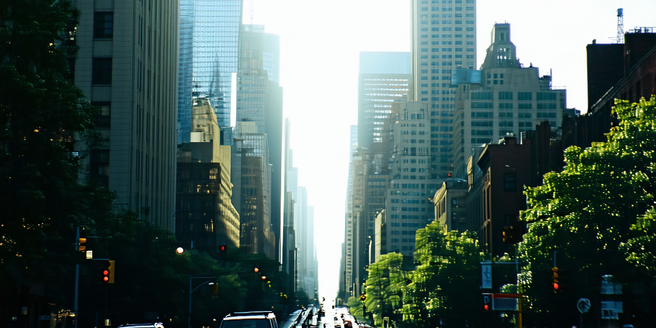
Understanding Urban Heat Islands
Urban Heat Islands (UHIs) refer to urban areas that are significantly warmer than their rural surroundings. This happens due to the extensive use of concrete and asphalt, which absorb and retain heat. Limited vegetation and increased human activities contribute to this temperature rise. UHIs can lead to higher energy consumption for cooling, increase air pollution levels, and exacerbate heat-related illnesses. Understanding these areas is crucial for urban planners aiming to mitigate their effects. Strategies can include increasing the number of green roofs, enhancing tree cover, and using lighter-colored materials for buildings and pavements. By addressing the factors that contribute to UHIs, cities can not only improve the comfort and health of their residents but also contribute to the global effort to combat climate change.
Impact of Air Pollution on City Weather
Air pollution significantly influences urban weather patterns. Pollutants such as nitrogen oxides, sulfur dioxide, and particulate matter can alter local climates by affecting both visibility and cloud formation. These pollutants often result from traffic emissions, industrial activities, and energy production. Air pollution can lead to the formation of smog, which reduces sunlight penetration, influencing temperature patterns. Furthermore, pollutants act as cloud condensation nuclei, potentially increasing cloud coverage and altering rainfall patterns. Prolonged exposure to polluted air can have adverse health effects on urban populations, exacerbating respiratory problems and cardiovascular diseases. Addressing air pollution requires stringent emission regulations, promoting renewable energy sources, and encouraging public transportation. By mitigating air pollution, cities can improve the health of their residents and ensure a more stable and predictable climate.
Managing Flood Risks in Urban Areas
Flooding poses a significant threat to urban areas, often exacerbated by the impervious surfaces that dominate cityscapes. As cities expand, natural water absorption is hindered, leading to increased surface runoff and, consequently, flash floods. Effective flood risk management in urban areas involves a combination of infrastructure development and strategic planning. Implementing sustainable urban drainage systems, such as green roofs, permeable pavements, and rain gardens, can help absorb excess rainfall. Additionally, restoring wetlands and creating retention basins can mitigate flooding impact. Authorities must also invest in accurate weather forecasting systems to predict and respond to flood events promptly. Engaging with community stakeholders and educating residents about flood risks and safety measures can further enhance resilience. Through these combined efforts, cities can better manage flood risks and safeguard their populations.
The Role of Green Spaces in Urban Climates
Green spaces are vital in moderating urban climates and improving the quality of life for city dwellers. They provide cooling effects by offering shade and facilitating evapotranspiration, which helps to lower urban temperatures. Parks, gardens, and green roofs can mitigate the urban heat island effect, thereby reducing energy demand for air conditioning. Moreover, vegetation improves air quality by absorbing pollutants and releasing oxygen. Green spaces also play critical roles in water management by reducing runoff and improving groundwater recharge. These areas offer recreational opportunities, promoting physical health and mental well-being. However, urban planning must prioritize the creation and maintenance of green spaces to reap these benefits. By investing in green infrastructure, cities can enhance biodiversity, increase resilience to climate impacts, and create more livable environments for their communities.
Technological Solutions to Urban Weather Issues
Technological advancements offer innovative solutions to tackle urban weather challenges. Smart city technologies, including IoT (Internet of Things) sensors, provide real-time monitoring of environmental conditions, allowing for responsive urban management. These technologies enable cities to gather data on temperature, humidity, and air quality, which can inform policy decisions and public safety measures. Advanced weather forecasting systems use machine learning algorithms to predict extreme weather events with greater accuracy, allowing for timely interventions. Urban planners can utilize geographic information systems (GIS) to model and analyze climate data, facilitating better infrastructure design and resilience planning. Furthermore, renewable energy technologies such as solar panels and wind turbines reduce reliance on fossil fuels, decreasing the urban carbon footprint. By leveraging technological innovations, cities can address the complex challenges of urban weather and create sustainable, adaptive environments.
Community Engagement in Urban Weather Preparedness
Community engagement is crucial for effective urban weather preparedness. Residents are often the first to experience the impacts of weather events, and their involvement can enhance response strategies. Educational workshops and training sessions can inform citizens about the risks associated with urban weather, such as heatwaves, floods, and storms, and instruct them on preparedness measures. Creating community-based response teams ensures a coordinated effort when weather emergencies occur. Establishing open communication channels between local authorities and residents fosters trust and encourages active participation in planning and decision-making processes. Community feedback can also provide valuable insights into the effectiveness of implemented strategies, leading to continuous improvement. By empowering residents and promoting collaborative approaches, cities can build resilience against urban weather challenges, ensuring the safety and well-being of all community members.