
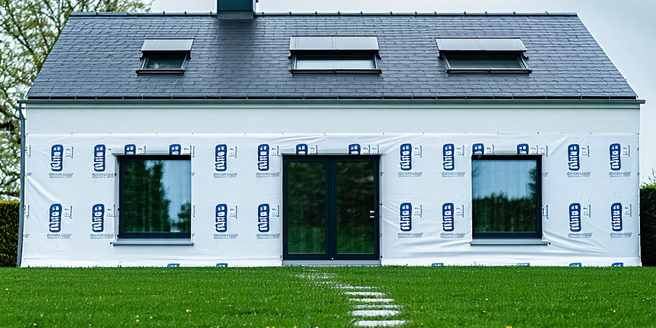
Understanding the Role of Insulation in Weatherproofing
Insulation is a key component in weatherproofing because it acts as a barrier to external weather conditions, helping to maintain interior temperatures and protecting against moisture intrusion. Effective insulation reduces the risk of drafts and ensures that the structural integrity of a house remains intact during adverse weather. Proper insulation aids in minimizing the energy required for heating and cooling, ultimately leading to energy savings and increased comfort. By controlling temperature fluctuations, insulation also reduces the potential for mold growth and other moisture-related problems. Robust insulation can help seal gaps where cold air could otherwise enter, serving as a first line of defense against harsh weather conditions. Investing in quality insulation, therefore, not only cuts energy costs but also fortifies homes against the unpredictable impacts of extreme weather.
How Insulation Minimizes Energy Loss in Stormy Weather
In stormy weather, insulation plays a crucial role in minimizing energy loss by keeping indoor temperatures stable. Insulation acts as a thermal barrier, limiting the exchange of heat between the inside and outside of a home. This means that during cold, stormy conditions, less heat escapes, and during summer storms, it prevents hot air from infiltrating your living spaces. Effective insulation ensures that your heating and cooling systems do not have to work overtime to maintain comfortable indoor climates, resulting in lower energy bills. Stormy weather often leads to turbulent and unpredictable climate conditions, and a well-insulated home provides a buffer against these external fluctuations, thereby maintaining a consistently pleasant indoor environment while enhancing overall energy efficiency.
Types of Insulation Best Suited for Storm-Prone Areas
In storm-prone areas, selecting the right type of insulation is vital to ensure maximum protection and efficiency. Spray foam insulation is highly recommended due to its expansive nature, filling gaps and sealing air leaks effectively. It offers excellent thermal resistance while also serving as a moisture barrier, crucial in areas subject to heavy rainfall and flooding. Fiberglass insulation is another strong choice because of its durability and proven track record of maintaining R-value even when wet. Additionally, rigid foam board insulation provides robust protection against water and vapor infiltration, making it suitable for basements and exterior walls. By choosing the right insulation materials, homeowners in storm-prone regions can significantly enhance their homes’ resilience against harsh weather events, thus safeguarding their property and reducing the risk of storm-related damage.
The Impact of Proper Insulation on Home Safety During Storms
Proper insulation has a profound impact on home safety during storms by bolstering the building’s envelope against extreme weather conditions. Well-installed insulation can help maintain structural stability, reducing the risks associated with high winds and water intrusion. By maintaining consistent indoor temperatures, insulation protects plumbing from freezing, a common issue during winter storms. Furthermore, effective insulation helps prevent moisture ingress, reducing the likelihood of mold and mildew growth, which can compromise air quality and lead to health issues. During electrical outages, a properly insulated home retains heat or coolness longer, providing comfort and safety until power is restored. Thus, investing in quality insulation contributes significantly to the overall safety and resilience of a home during storm events, making it a critical component of comprehensive storm preparedness.
Tips for Inspecting and Enhancing Insulation Effectiveness
Inspecting and enhancing insulation effectiveness is crucial for maximizing energy efficiency and weather protection. Start by conducting a thorough audit of existing insulation; check for gaps, compressions, or any signs of moisture damage. Roofs, attics, walls, and floors should all be evaluated, as heat losses typically occur in these areas. Consider upgrading to more efficient insulation materials like spray foam or rigid foam boards if the current insulation is outdated. Sealing ducts and adding weather stripping can also help prevent air leaks. Periodically reassess insulation performance, especially after severe weather events, to ensure it remains intact and effective. Implementing these inspection tips ensures that insulation continues to provide optimal protection and energy savings, prolonging the lifespan of both the insulation and your home.