
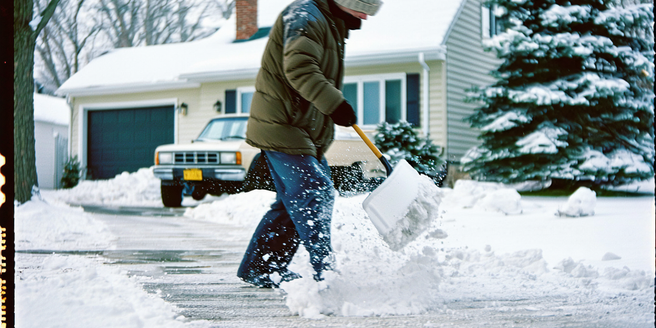
Understanding the Risks Involved in Snow Shoveling
Snow shoveling is more hazardous than it appears. Strenuous physical activity in cold weather can put undue stress on your heart and muscles. The combination of bending, lifting, and twisting motions often causes injuries, particularly to the back and shoulders. The cold weather causes blood vessels to constrict, leading to higher blood pressure and an increased risk of heart attacks. Additionally, those with pre-existing health conditions, especially cardiovascular issues, are more vulnerable. It’s not just about the physical exertion; slips and falls on icy surfaces also pose a serious risk. Recognizing these risks is crucial for implementing preventative measures to ensure safe shoveling practices. Understanding your health condition and knowing when to take breaks can mitigate the risks associated with this seemingly simple winter task.
Proper Preparation Before You Start Shoveling
Preparation is key to reducing the risks associated with snow shoveling. Begin with a short warm-up to get your blood circulating and muscles prepared for physical activity. Dressing appropriately in layers, including gloves and a hat, can help maintain proper body temperature. Choose sturdy, waterproof boots with good traction to prevent slips. Before heading out, hydrate well as you do with any exercise. Plan your shoveling route, knowing where to start and where to pile the snow to minimize the effort. Shovel after a light snowfall, if possible, to avoid heavier loads. Make sure your equipment is in good condition and suitable for the task at hand. These preparative steps can make the process safer and more efficient.
Choosing the Right Tools for the Job
Having the right tools can make all the difference in snow shoveling. Choose a shovel that matches your strength and body size; an ergonomic or curved handle can minimize the bending required, reducing strain on your back. The blade size should be manageable, not too large to lift easily but big enough to get the job done efficiently. Lightweight, durable materials like plastic with metal edges can enhance performance and ease fatigue. Some shovels come with dual handles to provide extra leverage. Additionally, tools like snow blowers could be a worthy investment for larger areas. Evaluate the tools considering the amount of snow and the area’s size to optimize effort and limit the risk of injury.
Mastering Safe Shoveling Techniques
Proper technique significantly reduces the risk of injury. Begin by pushing the snow instead of lifting it whenever possible, which lessens strain on your back. When lifting is necessary, bend at the knees with your back straight, using your legs to lift the weight rather than your back. Take small amounts of snow per scoop, especially during wet conditions, to prevent overexertion. Avoid twisting your body when throwing snow; instead, pivot your whole body, using your feet. Take regular breaks to rest and stretch, giving your body time to recover. Pace yourself—shoveling isn’t a race, and rushing increases risks. Incorporating these techniques ensures a safer, more efficient approach to snow shoveling.
Tips for Preventing Injuries While Shoveling
Preventing injuries during snow shoveling starts with pacing yourself. Assess each shoveling session and set reasonable goals to avoid overexertion. Stay hydrated to maintain energy and muscle function. Always engage in a brief warm-up before starting, focusing on stretching the back, arms, and legs. Employ proper lifting techniques, always bending at the knees and keeping the back straight. Choose appropriate clothing and footwear to protect against cold and slips. Tools must be suitable for your physical condition—too heavy or too large can increase strain and risk of injury. Finally, if you feel pain or discomfort, stop immediately and rest. By following these tips, you can minimize the potential for injury.
What to Do If You Experience a Shoveling Injury
In the event of a shoveling injury, addressing it promptly is crucial. Stop shoveling immediately and assess the severity. Minor muscle strains may be treated with rest, ice, compression, and elevation (R.I.C.E method) to reduce swelling and pain. Over-the-counter pain relief can help manage discomfort. If sharp pain, dizziness, or shortness of breath occurs, seek medical advice promptly, as these can be signs of more severe issues like heart problems or a herniated disc. Prioritize rest and avoid strenuous activity until you fully recover. For more severe injuries, consulting a healthcare professional ensures proper evaluation and rehabilitation. Remember, prevention is key, but knowing how to respond when injuries occur is equally important.