
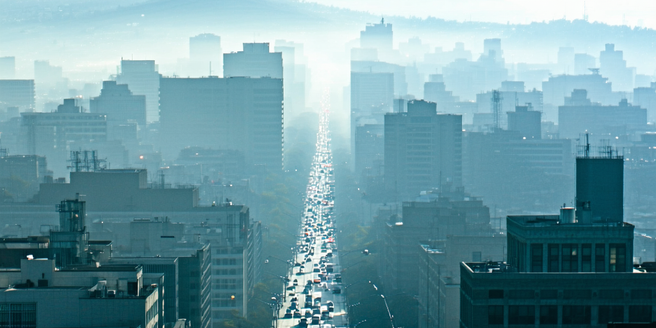
Understanding Temperature Inversions
Temperature inversions occur when a layer of warm air traps cooler air near the surface, disrupting the natural vertical motion of air. This phenomenon usually happens during tranquil weather, most commonly at night or in the early morning. The warm air acts as a lid, preventing the cooler air below it from rising. In urban areas or valleys, this can lead to increased concentrations of air pollutants as the cold, dense air traps emissions from vehicles, industries, and other sources close to the ground. Understanding this meteorological condition is crucial because it explains why sometimes air quality can rapidly deteriorate despite low emissions, emphasizing the importance of monitoring weather patterns for better air quality management.
The Science Behind Temperature Inversions
A temperature inversion happens when a layer of warm air moves over a layer of cooler air near the ground. The science behind this involves the stabilization of the atmosphere; under normal circumstances, air temperature decreases with altitude. However, during an inversion, this pattern is reversed due to the presence of a warm air mass above the cooler surface air. This inversion layer acts as a cap, suppressing convection and mixing. Radiation cooling of the ground at night, especially during clear skies and calm winds, can enhance this effect. As a result, in areas with significant air pollution sources, inversion layers can lead to a rapid accumulation of pollutants, creating potential health hazards.
Types of Temperature Inversions
Temperature inversions are primarily classified into two types: surface inversions and upper-level inversions. Surface inversions occur close to the ground, typically formed during clear nights when the ground cools rapidly through radiation. Upper-level inversions, on the other hand, are formed at higher altitudes, often due to subsidence or the sinking of air that warms as it compresses. Both types prevent the usual vertical mixing, but surface inversions have a more immediate impact on pollution, trapping emissions near emission sources. These inversions are common in valleys and urban areas, where topography and human activities contribute to their frequency and intensity.
How Inversions Trap Pollution
Inversions act like a lid on the atmosphere, trapping pollutants emitted from vehicles, industries, and other sources in the layer of cooler air beneath the inversion. Under normal conditions, warmer air rises, helping dilute and disperse these pollutants. However, during an inversion, the warm layer above prevents the underlying cooler air from rising, leading to the accumulation of pollutants at lower altitudes. This can result in poor air quality, as emissions cannot escape into higher altitudes and disperse. The impact is more pronounced in winter when longer nights and clear skies create favorable conditions for inversions.
Impacts of Inversions on Air Quality
Temperature inversions significantly impact air quality by trapping pollutants in the lower atmosphere. During an inversion, emissions from vehicles, industries, and other sources become concentrated, leading to increased levels of haze and smog. This can have adverse health effects, particularly in urban areas where emissions are dense. For individuals with respiratory conditions, the trapped pollutants exacerbate symptoms and can lead to health emergencies. The combination of pollutants can reduce visibility, affecting daily activities and transportation. Moreover, prolonged inversions can result in sustained air quality deterioration, affecting overall public health and the environment. Monitoring weather conditions and emission levels becomes crucial to managing the impacts effectively.
Mitigating Pollution During Inversions
Mitigation of pollution during temperature inversions requires a multifaceted approach. Reduction of emissions is critical, involving measures such as restricting the use of vehicles or industrial activities during inversion events. Enhancing public transport options and supporting cleaner technologies can also alleviate some of the pressures. Public advisories about poor air quality conditions during inversions can help vulnerable populations take protective measures. Urban planning that includes green spaces can aid in naturally improving air circulation. While it can be challenging to eliminate the effects of inversions entirely, proactive management and policy efforts can minimize their impact on air quality.