
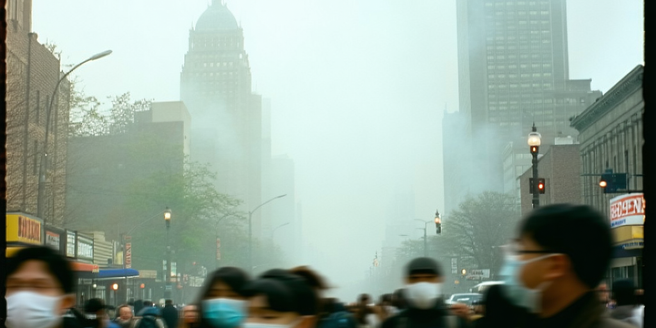
Understanding Wildfire Smoke and Its Hazards
Wildfire smoke is a complex mixture of gases and fine particles produced when wood and other organic materials burn. It poses significant health risks as it contains pollutants such as carbon monoxide, volatile organic compounds, and particulate matter. Particulate matter, especially PM2.5, is of particular concern because these small particles can penetrate deep into the lungs and even enter the bloodstream. Exposure to wildfire smoke can cause a range of health problems, from eye and respiratory tract irritation to more severe issues like reduced lung function, bronchitis, and exacerbation of existing heart and lung diseases. Vulnerable populations, including children, the elderly, and those with pre-existing health conditions, are at higher risk. Understanding these hazards is crucial for taking effective protective measures.
The Role of Ventilation in Indoor Air Quality
Ventilation plays a critical role in maintaining healthy indoor air quality by controlling indoor pollutants, including those from wildfire smoke. Natural ventilation, which involves opening windows and doors to allow fresh outdoor air to circulate, can be effective in improving air quality. However, during wildfire events, outdoor air can be more polluted than indoor air, making mechanical ventilation systems essential. These systems can effectively filter and circulate air within a building, reducing the concentration of indoor pollutants. Moreover, well-maintained ventilation systems can help prevent the buildup of indoor contaminants that can arise from human activity, such as cooking and cleaning. Thus, ensuring proper ventilation is crucial for safeguarding indoor air quality, especially when outdoor air quality is compromised.
Selecting Effective Air Filtration Systems
Choosing the right air filtration system is vital for protecting indoor air quality during wildfire events. High-Efficiency Particulate Air (HEPA) filters are among the most effective options available, capable of capturing up to 99.97% of airborne particles as small as 0.3 microns. When selecting a filtration system, it’s important to consider the size of the area that needs to be covered, the level of air filtration required, and the system’s energy efficiency. Additionally, some advanced filtration systems include activated carbon filters, which can neutralize odors and volatile organic compounds. It’s essential to regularly maintain and replace filters to ensure the system operates effectively. Effective air filtration systems can significantly reduce exposure to harmful pollutants present in wildfire smoke, providing a safer indoor environment.
Combining Ventilation and Filtration for Maximum Protection
For optimal indoor air quality during wildfires, combining ventilation and filtration offers the best protection. This integrated approach involves using mechanical ventilation systems to bring in filtered air while also ensuring that indoor air is recirculated through high-performance filters. Homeowners should regularly check and maintain these systems to ensure they are functioning effectively. This combination enhances the removal of fine particles and gases associated with wildfire smoke, reducing health risks. Strategies might include upgrading current HVAC systems to incorporate HEPA filters or using standalone air purifiers in key living areas. Combining these systems helps balance the need for fresh airflow with the necessity of filtering out pollutants, ensuring that indoor spaces remain as safe and comfortable as possible even during poor outside air quality.
Maintenance Tips for Ventilation and Filtration Systems
Regular maintenance of ventilation and filtration systems is essential to ensure their effectiveness, especially during wildfire seasons. Filters should be checked and replaced as per the manufacturer’s recommendations, or more frequently if the system is used intensively. Accumulated dust and debris in air ducts should be cleaned to prevent them from circulating back into the indoor air. It’s also important to ensure that mechanical parts of ventilation systems, such as fans and motors, are in good working order to maintain efficient airflow. Additionally, keeping windows and doors sealed during smoke events can prevent unfiltered air from entering. Regular system checks by professionals can help address any issues proactively, ensuring systems continue to operate at peak efficiency.