
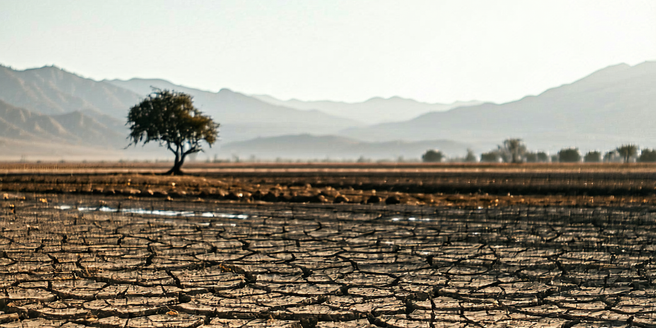
Understanding Heatwaves: Causes and Characteristics
Heatwaves are prolonged periods of abnormally high temperatures, often exacerbated by climate change. They occur when high-pressure systems trap heat, preventing cooler air from circulating. This leads to extended spells of elevated temperatures that can persist for several days to weeks. Factors contributing to the formation of heatwaves include geographical location, atmospheric conditions, and human-induced environmental changes. As the Earth’s climate continues to warm, the frequency and intensity of heatwaves are likely to increase, posing severe risks to natural and human systems. Understanding the underlying causes and characteristics of heatwaves is crucial for developing strategies to mitigate their adverse effects and protect vulnerable populations and ecosystems.
Impact on Local Wildlife Habitats
Heatwaves affect local wildlife habitats by altering their ecosystems. Prolonged high temperatures can lead to habitat degradation, disrupt food availability, and affect water resources, making survival more challenging for wildlife. The stress caused by extreme heat can lead to changes in behavior, reproduction, and migration patterns. Some species may adapt by seeking cooler areas, while others might be pushed to their physiological limits, leading to population declines. Habitats such as forests, grasslands, and wetlands are especially vulnerable, experiencing changes in vegetation cover, increased risk of wildfires, and altered hydrological cycles. Conserving these habitats requires understanding the specific impacts of heatwaves and implementing measures to enhance resilience and support biodiversity.
Effects on Aquatic Ecosystems
Aquatic ecosystems, including rivers, lakes, and oceans, are significantly affected by heatwaves. Elevated temperatures can lead to reduced oxygen levels in water, affecting fish and other aquatic organisms’ survival. Thermal pollution can disrupt the breeding and feeding patterns of aquatic life, causing stress and increasing mortality rates. Coral reefs are particularly vulnerable, as prolonged heat can lead to coral bleaching, where symbiotic algae are expelled, weakening the coral. Additionally, heatwaves can cause algal blooms, depleting oxygen and releasing toxins, further impacting aquatic flora and fauna. The overall health and stability of aquatic ecosystems are at risk, necessitating focused conservation efforts to mitigate these impacts.
Behavioral Changes in Wildlife
Wildlife exhibits various behavioral changes in response to heatwaves. Physiological stress from high temperatures can cause species to alter their daily activities to avoid heat exposure. Many animals become more nocturnal, seeking shade or cooler environments during the day. Birds may reduce flight activity, and mammals might limit foraging to nighttime. Reproductive behaviors can be disrupted, with some species experiencing reduced mating success or altered birth timings. Predator-prey dynamics can also be affected, as heat impacts hunting efficiency and prey availability. These behavioral adaptations are essential survival strategies, but persistent heatwaves can push species beyond their adaptive capacity, necessitating intervention to ensure their survival.
Long-term Adaptation Strategies
Long-term adaptation strategies are essential for wildlife to cope with increasingly frequent heatwaves. Strategies include shifting breeding seasons, developing heat-resistant phenotypes, and expanding ranges to cooler climates. Some species may evolve faster reproductive cycles, allowing them to exploit short-term favorable conditions. Community-level adaptations, such as mixed-species flocks, can provide mutual shade and increased foraging efficiency. However, adaptation is a gradual process, often lagging behind rapid environmental changes. Conservation efforts can support these adaptations by protecting corridors for migration, ensuring genetic diversity, and fostering resilient ecosystems. Policymakers and conservationists must work collaboratively to anticipate changes and implement proactive measures.
Conservation Efforts and Solutions
Conservation efforts are critical in mitigating the impact of heatwaves on wildlife. Establishing protected areas and wildlife corridors will allow species to migrate to suitable habitats. Ecosystem restoration and management practices, such as reforestation and wetland restoration, can enhance habitat resilience. Climate change mitigation, through reduced greenhouse gas emissions, is essential to minimize future heatwave frequency and intensity. Furthermore, public awareness and education campaigns can promote community involvement in conservation initiatives. Collaborative research and monitoring can provide valuable insights into species’ responses to heatwaves, informing adaptive management strategies. A comprehensive approach combining conservation, policy, and education is vital to safeguard wildlife in a warming world.