
Understanding Air Pressure: The Basics
Air pressure, or atmospheric pressure, is the force exerted by the weight of air in the Earth’s atmosphere. This fundamental meteorological concept is vital for understanding weather patterns and phenomena. Air pressure decreases with elevation and is influenced by temperature and humidity. High pressure areas typically bring clear skies, while low pressure areas can lead to storms and precipitation. Meteorologists measure air pressure using instruments like barometers and use these readings to forecast changes in weather. Knowing how air pressure interacts with other elements in the atmosphere offers insight into the dynamic systems that shape our climate. Understanding air pressure is essential for predicting and interpreting weather events, including extreme weather conditions.
How Air Pressure Influences Extreme Weather
Air pressure plays a critical role in shaping extreme weather events. Low pressure systems are often associated with severe weather conditions like hurricanes, tornadoes, and cyclones. These systems draw in air from surrounding high-pressure areas, creating powerful winds and intense atmospheric disturbances. Conversely, high pressure systems can lead to heatwaves and droughts as they inhibit cloud formation and trap warm air. Sudden changes in air pressure can also trigger violent storms, including thunderstorms and blizzards. Understanding the interplay between air pressure and weather extremes helps meteorologists predict these events, offering valuable warnings and mitigation opportunities. By examining air pressure patterns, we can better anticipate the onset and potential severity of extreme weather, ultimately aiding in preparation and response efforts.
Case Studies: Historic Weather Extremes
Historic weather extremes provide valuable insights into the impact of air pressure fluctuations. One notable example is Hurricane Katrina in 2005, where a low-pressure system intensified the storm, leading to widespread devastation across the Gulf Coast. Similarly, the 2010 European heatwave was a result of a prolonged high-pressure system, causing severe temperatures and affecting millions. Analyzing such case studies helps meteorologists understand the intricate relationships between air pressure and extreme weather. The Dust Bowl of the 1930s in the United States, driven by sustained drought conditions linked to high pressure, further underscores the role of air pressure in shaping significant weather events. These historic occurrences highlight the importance of monitoring air pressure changes for better prediction and management of future weather extremes.
The Role of Technology in Weather Prediction
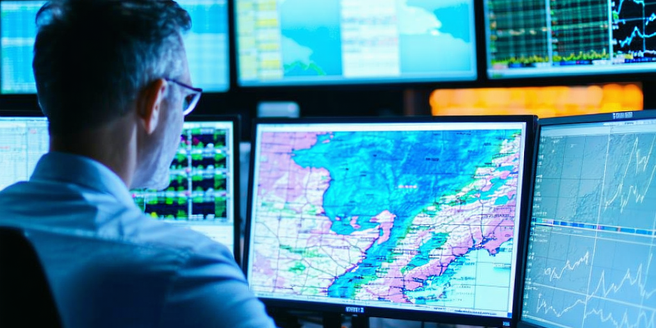
Advancements in technology have revolutionized weather prediction, particularly in understanding air pressure dynamics. Modern tools, such as satellites and radar systems, offer real-time monitoring of atmospheric conditions, providing crucial data on air pressure changes. With the integration of artificial intelligence, these systems are becoming even more adept at identifying weather trends and anomalies. Computer models simulate weather patterns, allowing for more accurate forecasts of extreme events. Technological innovations, such as drones and high-altitude balloons, collect detailed atmospheric measurements, improving our comprehension of pressure-related phenomena. These tools have enhanced our ability to anticipate and respond to weather extremes, minimizing their impact on communities. As technology continues to evolve, we can expect further improvements in prediction accuracy, enabling timely warnings and better preparedness for natural disasters.
Preparing for and Adapting to Weather Extremes
Preparation and adaptation are key to mitigating the impact of weather extremes influenced by air pressure changes. Effective strategies include developing early warning systems and enhancing community resilience through infrastructure improvements. Public awareness campaigns educate people on how to respond to severe weather events, emphasizing the importance of preparedness. Governments and organizations implement adaptive measures like improved building codes and strategic urban planning to withstand storms and heatwaves. Moreover, investing in research on air pressure and climate dynamics aids in refining mitigation strategies. By understanding the relationship between air pressure and extreme weather, communities can adopt proactive measures to safeguard lives and properties, ensuring a more resilient society in the face of weather challenges.