
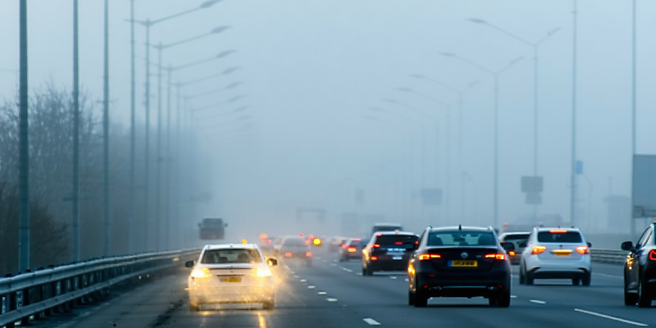
Understanding Fog Formation and Its Hazards
Fog is a meteorological phenomenon characterized by the suspension of tiny water droplets in the air, leading to reduced visibility. It commonly forms when moist, warm air meets cooler surfaces, resulting in condensation. This can occur near bodies of water, in valleys, or following rainfall. Hazardous fog conditions pose significant risks to transportation and safety by limiting drivers’ visibility and disorienting pedestrians. Moreover, it contributes to disruptive travel delays and increases the likelihood of accidents. Understanding the dynamics of fog formation is crucial for developing effective warning systems and preparing for adverse conditions. Monitoring atmospheric indicators, such as temperature and humidity, can help predict fog, allowing for timely alerts. By studying these patterns, communities can implement safety measures, thereby reducing the dangers posed by dense fog.
Health Implications of Prolonged Fog Exposure
Prolonged exposure to fog can have several health implications, particularly for individuals with pre-existing respiratory conditions. Fog traps pollutants and allergens, which can exacerbate conditions such as asthma and bronchitis. The dampness of fog can also encourage the growth of mold and mildew, which pose additional respiratory health risks. Furthermore, cold and damp conditions might increase susceptibility to colds and other respiratory infections. Vulnerable populations, such as the elderly and young children, are especially at risk and should limit outdoor activities during dense fog events. It is essential to monitor air quality during prolonged fog to mitigate health impacts. Wearing protective masks and ensuring proper ventilation indoors can also help reduce exposure to harmful pollutants.
Impact of Fog on Transportation and Safety
Fog significantly impacts transportation systems, as it reduces visibility on roads and at airports, leading to travel delays and accidents. Poor visibility demands more cautious driving behavior to prevent collisions. Drivers should reduce speed, maintain a safe distance from other vehicles, and use fog lights. Aviation is also affected, as fog can force flight delays and cancellations due to limited runway visibility. Rail and marine transport may encounter similar challenges, risking delays and potential mishaps. It is critical for transportation authorities to provide timely fog alerts and implement adjusted scheduling to ensure safety. Investing in advanced detection and communication systems can mitigate these risks, enhancing safety protocols and protecting all road, air, and waterway users.
Technological Advances in Fog Detection and Alert Systems
Technological advances play a vital role in detecting fog and disseminating timely alerts. Modern meteorological tools, such as Doppler radar and satellite imaging, enable accurate tracking of fog’s formation and movement. These tools help meteorologists predict fog events and provide real-time updates through digital platforms and media channels. The integration of Geographic Information Systems (GIS) allows for detailed map overlays, improving public and transportation-sector readiness. Moreover, advancements in sensor technology contribute to on-ground fog detection, automatically alerting drivers to unsafe conditions. As technology advances, more precise and efficient fog prediction and alert dissemination are possible, minimizing the hazard’s impact. Continued investment in these technologies is crucial for enhancing safety and ensuring timely interventions during fog events.
Effective Strategies for Mitigating Fog-Related Risks
Mitigating fog-related risks involves a combination of technological, infrastructural, and behavioral strategies. Transport authorities must prioritize the installation of intelligent lighting systems that automatically adjust to fog conditions, enhancing visibility. Implementing fog detection sensors along highways can aid in real-time monitoring and alerting drivers to changing conditions. Educating the public about safe driving practices during fog, such as reducing speed and increasing following distance, is essential. Communities should also be informed of health risks, encouraging vulnerable populations to remain indoors during dense fog episodes. Additionally, promoting the use of public transportation during adverse conditions can reduce road traffic, lowering the risk of accidents. By combining these strategies, society can effectively mitigate the impact of fog and enhance overall safety and well-being.