
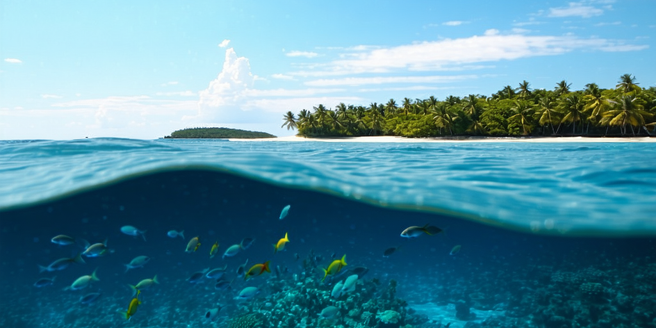
Understanding Coastal Ecosystems and Their Importance
Coastal ecosystems are vital for maintaining biodiversity, protecting coastlines from erosion, and supporting local economies through fisheries and tourism. These areas include estuaries, mangroves, and coral reefs, which provide habitat and breeding grounds for a variety of species. Furthermore, they act as natural buffers against storm surges and sea-level rise, absorbing wave energy and reducing the impact on inland areas. The ecological services provided by coastal ecosystems support human life in numerous ways, from providing oxygen and sequestering carbon to maintaining water quality. However, these ecosystems are under pressure from human activities, highlighting the need for increased awareness and conservation efforts. Protecting these ecosystems is crucial in maintaining their role in global biodiversity and their socio-economic benefits.
Assessing Coastal Degradation: Causes and Effects
Coastal degradation results from a combination of natural processes and anthropogenic pressures, leading to the loss of habitat, biodiversity, and ecosystem services. Major causes include urbanization, pollution, overfishing, and climate change. These activities disrupt the complex interactions within coastal ecosystems, resulting in issues like habitat loss, water quality degradation, and increased vulnerability to natural disasters. For example, the destruction of mangroves and coral reefs diminishes their ability to protect coastlines from storms and erosion. By assessing the extent and drivers of degradation, we can develop targeted strategies to mitigate these effects and promote the sustainable use of coastal resources. Understanding the impacts of degradation is crucial for policymakers, conservationists, and local communities working towards restoring these vital ecosystems.
Innovative Techniques for Habitat Restoration
Innovative techniques are crucial for the successful restoration of coastal habitats. One such technique is the use of natural infrastructure, such as living shorelines. These involve planting native vegetation and restoring soil to stabilize the coastline and provide habitat for wildlife. Another innovative approach is the construction of artificial reefs, which serve as replacement structures for existing, damaged reefs and help to restore marine biodiversity. Biotic and abiotic elements are carefully monitored to ensure the success of these installations. Additionally, advanced methodologies like drone mapping and genetic analysis are utilized to assess the health and regeneration of coastal ecosystems. Collaborative efforts between scientists, engineers, and local communities are critical in applying these innovative techniques effectively, ensuring that restoration projects are sustainable and resilient against future environmental changes.
Community Involvement in Restoration Projects
Community involvement plays an essential role in the success of coastal restoration projects. Local communities possess valuable knowledge of their environments, which can contribute to more effective restoration strategies. Projects that engage community members tend to have higher rates of success because they foster a sense of ownership and responsibility. Volunteers can assist with activities such as planting native vegetation, monitoring wildlife, and maintaining restored areas. Educational programs aimed at raising awareness about the importance of coastal environments can further enhance community support. By integrating local voices into the decision-making process and providing opportunities for hands-on involvement, restoration initiatives can significantly benefit both the environment and the community. Effective communication and collaboration between stakeholders are fundamental in achieving long-term conservation goals.
Case Studies: Successful Coastal Restoration Efforts
Around the world, successful coastal restoration projects offer valuable insights into effective conservation strategies. One notable example is the restoration of the Louisiana wetlands through sediment diversion projects, which have proven successful in rebuilding land and combating subsidence. In the Philippines, the community-led mangrove reforestation initiative has restored over 100 hectares of mangroves, improving biodiversity and protecting coastlines from typhoons. The Great Barrier Reef in Australia also showcases successful efforts in coral transplantation and reef management to preserve marine biodiversity. These case studies highlight the importance of adaptive management practices, community engagement, and government support. By learning from these successes, we can replicate and tailor strategies to suit the unique ecological and socio-economic contexts of other coastal areas around the globe.
Future Challenges and Opportunities in Coastal Restoration
As we look toward the future of coastal restoration, several challenges and opportunities arise. Climate change and increasing human populations exert pressure on coastal zones, necessitating forward-thinking solutions and greater interdisciplinary collaboration. Innovative technologies, like remote sensing and artificial intelligence, offer opportunities to enhance restoration efforts by improving monitoring, assessment, and adaptive management capabilities. However, securing adequate funding and overcoming regulatory hurdles pose significant challenges. Additionally, promoting global awareness and fostering collaborations among governments, NGOs, and local communities remain key considerations. Embracing a holistic approach that integrates social, economic, and environmental perspectives can help overcome these challenges. Future efforts must focus on not just restoring habitats, but ensuring their resilience and adaptation to future environmental changes, thereby securing the ecological and economic benefits they provide.