
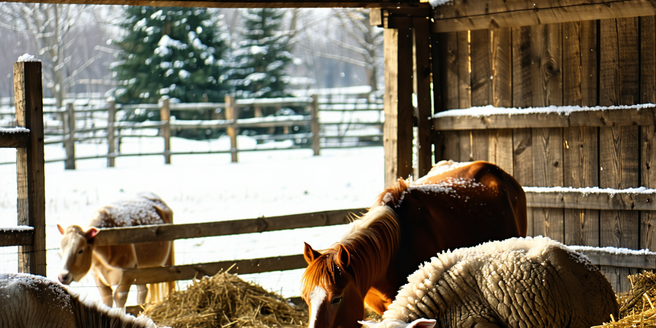
Understanding Animal Needs in Winter
Understanding how winter affects your animals is crucial to their wellbeing. Each species and breed may respond differently to cold temperatures. For example, some dogs like Huskies have thick coats that provide better protection, while others like Chihuahuas may need additional insulation such as sweaters or blankets. It’s essential to recognize these differences and adapt your care routines accordingly. Additionally, animals require more energy to maintain their body temperature in cold weather. Regular checks and adjustments to their food intake can help them stay healthy. Monitoring behavioral changes can also offer insights into their comfort levels and help prevent potential cold-related issues. Keeping your animals hydrated is equally important, as water needs do not diminish in winter.
Creating a Warm Shelter for Pets
A warm shelter is vital for keeping your pets safe during the cold season. Start by ensuring that their housing is properly insulated and free of drafts. Use materials that retain heat, like straw or blankets. Additionally, providing igloo-style dog houses can offer a snug environment by trapping the pet’s body heat. If your pet’s shelter is outside, consider raising it off the ground to avoid moisture accumulation. Heated water bowls and warming pads can also provide additional comfort. Always make sure that the shelter is large enough for your animal to move around comfortably but not so large that it can’t retain warmth. Regularly check that your pet has not tracked snow or water inside, leading to damp bedding that can quickly sap heat.
Feeding Your Animals for Cold Weather
Food intake often needs to be adjusted to help animals maintain their energy levels in cold weather. Animals burn more calories to stay warm, so it is beneficial to increase their food supply during the winter months. Ensure that the diet is well-balanced, with enough proteins and fats to provide sustained energy. For those with outdoor pets, consider high-calorie meals that are designed to fuel their activity and metabolic needs. Additionally, monitoring their weight and body condition can guide you in tweaking their rations as needed. However, be cautious to prevent overfeeding, which could lead to obesity. Supplementing their diet with essential nutrients can further boost their immune system and overall health.
Recognizing Signs of Cold Stress
Cold stress in animals can manifest in various ways. Recognizing the early signs is crucial for intervention. Symptoms may include shivering, lethargy, and a decrease in body temperature, noticeable when touching their paws or ears. It is also important to be aware of the environment and make necessary adjustments to prevent cold stress. Behavioral changes such as reluctance to move and restlessness could also indicate discomfort. If left unaddressed, cold stress can progress to more severe health problems, such as hypothermia or frostbite, especially in extremities like ears and tails. Providing immediate warmth, such as a warm blanket or bringing the animal inside, can alleviate symptoms. Continual exposure to cold should be avoided, and monitoring is necessary to ensure the animal’s well-being. Consult a veterinarian if signs persist.
Safety Tips for Outdoor Animals
Outdoor animals face unique challenges in the winter, requiring specific precautions to ensure their safety. Firstly, ensure they have appropriate shelter to protect them from harsh weather. Regularly check water sources to prevent freezing, and use heated bowls if necessary. Creating a barrier against harsh winds and snow can also improve their living conditions. Keeping paths clear of ice and snow reduces the risk of slipping injuries. Reflective gear or lights can make animals more visible during shorter daylight hours, lowering the risk of accidents. Be cautious of road salt and antifreeze which can be dangerous if ingested or if they come into contact with the skin. Lastly, frequent check-ins on outdoor animals can help address any issues before they become critical.