
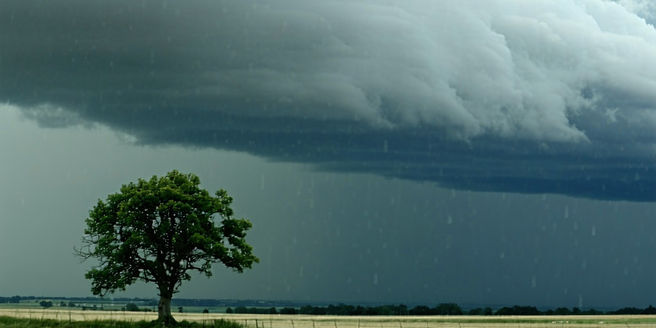
Understanding Cold Fronts: A Weather Phenomenon
Cold fronts are a significant meteorological occurrence, marking the boundary where colder air replaces warmer air. This shift can lead to drastic changes in weather conditions, characterized by dropping temperatures and heightened wind speeds. Often, these fronts are associated with precipitation, such as rain or snow, as the cold air forces the warmer, moist air upwards. Understanding the dynamics of cold fronts can help in predicting weather patterns and potential impacts on daily activities. These fronts vary in intensity and can move quickly, making them an essential focus for weather forecasting and public awareness. Accurate forecasting can mitigate risks and prepare communities for the sudden weather changes caused by advancing cold air masses.
The Impact of Cold Fronts on Road Conditions
Cold fronts can significantly affect road conditions. As temperatures fall, rain from these weather systems can quickly freeze, creating icy and hazardous driving surfaces. Snow accumulation is another challenge, obstructing visibility and making travel dangerous. Cold fronts often result in strong winds, which can cause drifting snow and further reduce road visibility. As such, transportation agencies must stay vigilant, monitoring the weather closely to respond promptly. Timely clearing of snow and ice is crucial to maintaining safe travel conditions. Awareness and preparedness are essential, ensuring roads remain functional despite the challenging conditions brought by cold fronts.
Designing Roads for Cold Weather Durability
Designing roads to withstand cold weather involves using materials and construction techniques that enhance durability. Asphalt and concrete must be carefully selected to prevent cracking and deterioration due to freeze-thaw cycles. Insulating layers and proper drainage systems are critical components that help prevent damage from expanding ice. Additionally, implementing design features like heated pavements in critical areas can reduce ice formation and improve safety during cold fronts. By focusing on these design elements, engineers can extend the lifespan of roads and ensure they remain serviceable despite harsh winter conditions. Innovations in materials and technology continue to advance road resilience against cold weather.
Emerging Technologies in Road Maintenance
Recent advancements in road maintenance technology are enhancing the response to cold weather challenges. Automated de-icing systems and smart road sensors are increasingly employed to monitor and manage road conditions in real-time. These technologies allow for precise application of salt and other de-icing agents, minimizing environmental impact while maximizing efficiency. Mobile weather apps and GPS systems are integrated with road maintenance operations, providing drivers with up-to-date information on road conditions and potential hazards. Together, these innovations support transportation departments in maintaining road safety during cold fronts, offering proactive and targeted solutions to traditional maintenance challenges.
Case Studies: Successful Adaptations in Infrastructure
Several regions have successfully adapted their infrastructure to cope with cold fronts. In Scandinavia, for example, the use of robust materials and heated road systems has proven effective in minimizing ice formation. Canada has implemented advanced weather monitoring stations along major highways, offering real-time data to drivers and maintenance teams, improving response times. The Netherlands utilizes flood management techniques combined with weather forecasting to mitigate impacts from cold fronts. These case studies highlight the importance of integrating technology and expertise to enhance infrastructure resilience. By learning from successful adaptations, other regions can develop strategies suited to their unique climatic challenges.
Future Challenges and Innovations in Road Design
As climate patterns evolve, road design faces new challenges and opportunities for innovation. Understanding how roads will cope with extreme weather conditions, including more severe cold fronts, is essential for resilient infrastructure development. Emerging materials like self-healing asphalt and advanced composites offer potential breakthroughs in durability. Moreover, integrating renewable energy sources into roadways can help power de-icing systems sustainably. Collaborative efforts between engineers, meteorologists, and government agencies will be crucial in developing innovative solutions and adapting to future weather extremes. By staying at the forefront of engineering and technology, the road industry can meet the demands of a changing climate.