
The Importance of Grasslands in Biodiversity
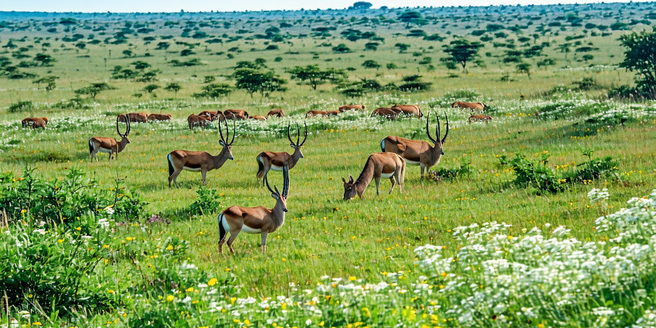
Grasslands are vital ecosystems supporting diverse flora and fauna, acting as crucial carbon sinks, and playing a major role in the Earth’s ecological balance. They provide habitat for many species, some of which are unique to these environments. Grasslands help in water filtration, soil preservation, and contribute to climate regulation. Their rich biodiversity forms a complex web of life that ensures ecosystem resilience. The loss of grasslands could mean the extinction of various species, disruption of food chains, and a reduction in natural resources needed for medicinal and agricultural purposes. Protecting these areas is essential for maintaining global biodiversity and ensuring that these invaluable ecological services continue for future generations.
Impacts of Urban Expansion on Natural Habitats
Urban expansion is one of the greatest threats to natural habitats, including grasslands. As cities grow, they encroach on these ecosystems, leading to habitat fragmentation, loss of biodiversity, and degraded environmental quality. The conversion of natural land into urban areas increases pollution, affects local climate, and disturbs the natural processes that these habitats support. This expansion often results in the irreversible loss of plant and animal species and the depletion of natural resources. Mitigating the impacts of urban growth requires careful planning, preserving green spaces within urban areas, and implementing policies that prioritize ecological considerations in development projects.
Strategies for Preserving Grassland Ecosystems
To combat the decline of grassland ecosystems, a combination of conservation strategies is needed. These include setting up protected areas, promoting sustainable agricultural practices, and restoring degraded lands. Implementing policies that manage land use effectively and encourage the conservation of indigenous species is vital. Research and innovation are key to developing new methods for habitat preservation. Public awareness and community engagement also play crucial roles in conservation efforts. Financial incentives for maintaining grasslands and investing in eco-friendly technology can further aid in the preservation process. Governments and organizations worldwide must collaborate to create comprehensive strategies that balance human needs with environmental protection.
Case Studies of Successful Grassland Conservation
Numerous case studies around the world highlight successful grassland conservation efforts. For instance, the Tallgrass Prairie National Preserve in the United States showcases the power of collaboration between government entities, nonprofits, and the private sector. Meanwhile, the restoration projects in Mongolia’s steppes demonstrate the impact of community-led initiatives. One such initiative focused on educating local herders about sustainable grazing practices, resulting in significant ecological improvements. In both instances, focused restoration efforts, legal protection, and active community participation were essential. These cases emphasize the importance of integrated approaches, where conservation goals align with local socio-economic contexts, ensuring sustainable management and positive outcomes for ecosystems and human welfare.
Community Involvement in Grassland Preservation
Community involvement is key to effective grassland preservation. Local communities are often the first to experience the effects of ecosystem degradation, making them vital stakeholders in conservation efforts. These communities hold extensive knowledge about the local environment that can greatly benefit conservation initiatives. Initiatives that educate and engage communities in sustainable land management practices not only enhance conservation outcomes but also support livelihoods. Programs that involve citizen science, eco-tourism, and conservation education empower locals to participate actively in preservation efforts. Partnerships between conservation organizations and community leaders can facilitate the sharing of traditional ecological knowledge, leading to more culturally sensitive and effective conservation strategies.
Future Prospects: Balancing Development and Nature
As urban areas continue to expand, finding a balance between development and nature is crucial. Future prospects must consider sustainable development that prioritizes environmental health. This means integrating green infrastructure within urban planning to reduce the impact on natural habitats like grasslands. Leveraging technology and innovation can aid in monitoring ecosystem health and implementing strategies that minimize environmental footprints. Policy frameworks must encourage eco-friendly practices, investing in renewable energy and sustainable agriculture. Ultimately, fostering a culture of coexistence between human activity and natural ecosystems will ensure that development is not at odds with nature’s preservation.