
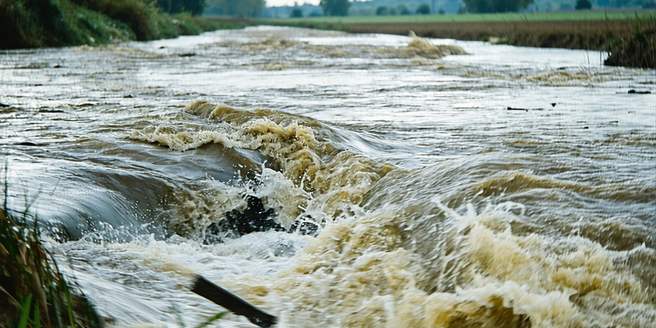
Understanding Flood Zones
Flood zones are areas identified as being at risk for flooding, categorized based on varying levels of hazard. Understanding the specific flood zone you reside in is crucial for informed preparation and risk management. Different zones are assigned based on historical data and geographic factors, such as proximity to bodies of water, elevation, and natural barriers. Zone classifications range from high-risk areas, often requiring mandatory flood insurance, to zones with minimal risk where insurance is optional. Flood zone maps can be accessed through government resources, providing residents with essential information about their specific region’s vulnerability. By understanding these zones, homeowners and businesses can better plan for flood events, ensuring appropriate measures are taken to mitigate potential impacts. Staying informed about your flood zone is a fundamental step in effective flood preparedness and safety.
Essential Supplies for Flood Preparedness
Being prepared for a flood starts with assembling a kit of essential supplies that can sustain you and your family for at least 72 hours. Key items include non-perishable food, bottled water, and vital medications. A portable battery-powered radio is essential for receiving updates in case of power outages. Flashlights, extra batteries, and a multi-tool are necessary for navigating and handling emergencies. Don’t forget important documents like insurance policies, identification, and a waterproof map of your area. Include personal hygiene products, a first-aid kit, blankets, and protective clothing such as rain gear and sturdy boots. For those with children or pets, consider additional necessities like diapers and pet food. Having this kit ready in an easily accessible location ensures you can quickly respond when a flood warning is issued.
Creating an Emergency Plan
Creating a detailed emergency plan is crucial for effective flood preparedness. Start by identifying safe evacuation routes and shelters in your area; local government websites and maps are great resources for this. Designate a contact person outside of your immediate area whom family members can reach if separated. Plan how pets will be cared for and transported. Keep a list of critical contacts, including medical facilities and insurance providers, and ensure each family member knows these numbers. Regularly discuss and practice the plan with your family through drills, focusing on quick and calm execution. Review and update the plan annually, considering any changes in weather patterns, family needs, or local safety information. A well-prepared plan enables faster, coordinated responses, significantly reducing risk during a flood.
Protecting Your Home from Flood Damage
To protect your home from potential flood damage, several preventative measures should be undertaken. Start by elevating critical utilities like electrical panels, heating systems, and appliances. Invest in sump pumps with backup power to manage water accumulation effectively. Seal walls in basements with waterproofing compounds to minimize seepage. Regularly clear gutters, downspouts, and drains, ensuring unimpeded water flow away from your home. Construct barriers or levees and have sandbags ready to act as temporary shields against rising waters. Elevate furniture and valuables to higher ground or upper floors when a flood threat is imminent. For larger renovations, consider raising the building above base flood elevation levels. These measures substantially mitigate damage, protect property investments, and ensure quicker recovery once the flood waters recede.
Post-Flood Recovery and Safety Tips
After a flood, safety and thorough recovery steps are paramount. Before returning home, ensure local authorities have declared the area safe. Avoid floodwaters, which may be contaminated or electrically charged. Photograph damaged areas for insurance claims, documenting losses accurately. Begin cleanup wearing protective gear and ventilate your home during this process. Discard items that cannot be sanitized, such as mattresses and plush toys. Mold can develop quickly; dry out buildings using fans and dehumidifiers. Boil water until local utilities confirm safe usage. Reach out to disaster relief services for support if needed. It’s important to prioritize mental health during recovery, seeking counseling if the disaster has been stressful. Stay informed through community and official channels for further recovery assistance and guidelines. Safety and diligence in recovery significantly aid in restoring normalcy in the aftermath.